Reflections, a compelling presentation celebrates both the building’s storied past and its renewed role as a vibrant cultural hub in the heart of Cape Town. Three interrelated exhibitions,
- Reflections: The Michaelis Collection,
- Reflections: Woodcuts Across the World, and
- Reflections: Trade Ceramics and Circles of Influence,
create a dialogue between Iziko’s historical collections and contemporary acquisitions made over the past decade. Together, these works explore intersections between past and present, local and global, and art and history.
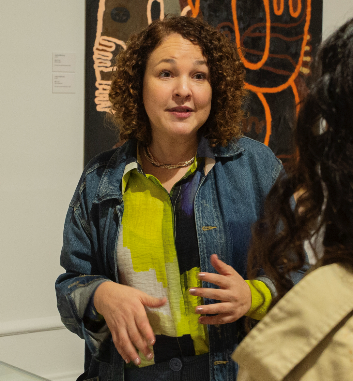
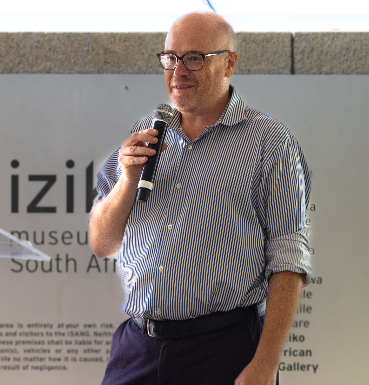

The exhibition curated by Iziko Museums Curators: FLRT Andrea Lewis, Andrew Lamprecht and Esther Esmyol, celebrates history, renewal, and the evolution of interpretation over time.
Reflections: The Michaelis Collection
One of South Africa’s most treasured art collections, the Michaelis Collection of Dutch and Flemish Old Masters, is widely regarded as one of the finest such collection outside Europe and North America. Comprising over 100 paintings and more than 100 prints and drawings, the collection includes works by Rembrandt van Rijn, Frans Hals, Sir Anthony van Dyck, and Pieter de Hooch, among others.
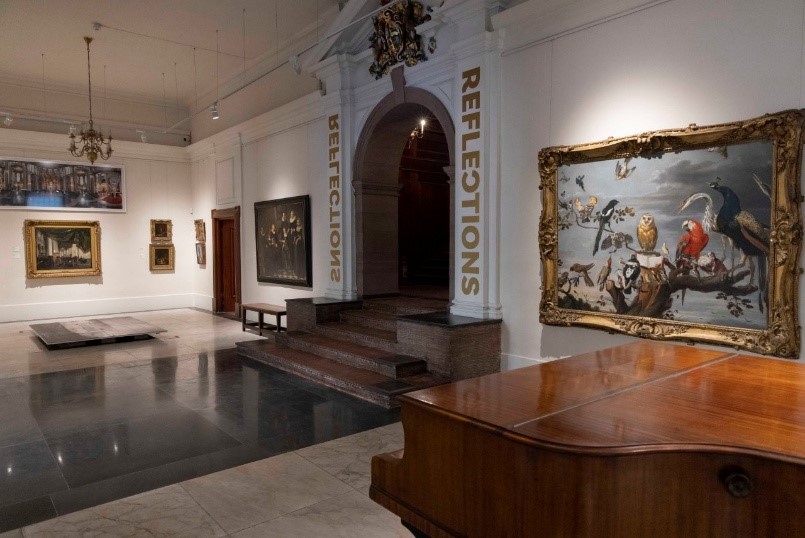
Iziko Old Town House © Iziko Museums of SA N. Pamplin
Donated by Sir Max Michaelis in 1913 to commemorate the formation of the Union of South Africa, the collection opened to the public in 1917 and remains a cornerstone of Iziko’s art holdings.
- Features Dutch and Flemish Old Masters (16th–17th century) alongside modern South African artists
- Highlights include works by Rembrandt van Rijn, Frans Hals, Sir Anthony van Dyck, Pieter de Hooch
- Shows the interplay of colonial-era collections with contemporary voices
Reflections: Woodcuts Across the World
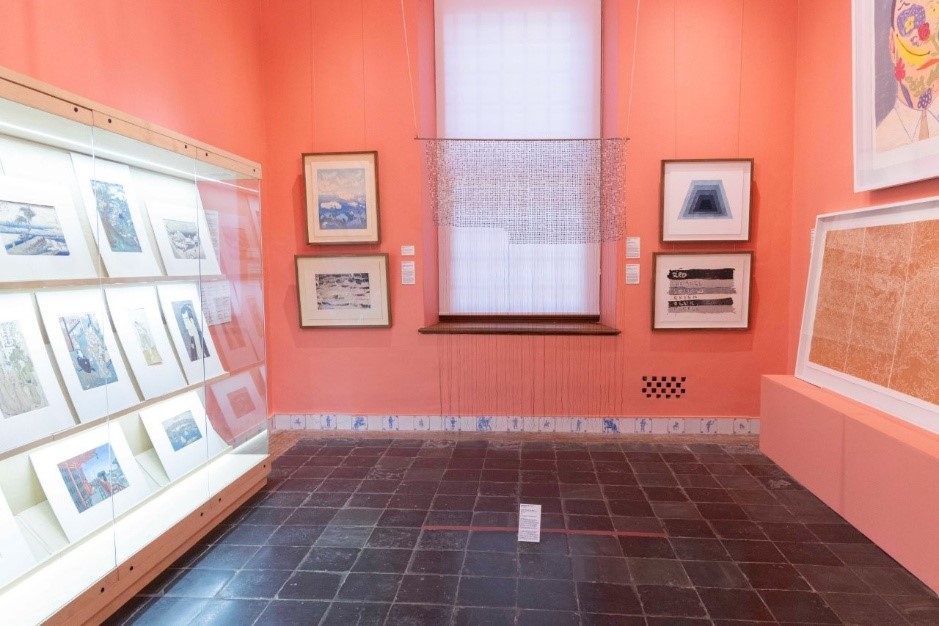
Woodcuts Across the World explores the enduring power of woodcut printmaking as a medium that transcends geography and time. The exhibition features rare Edo-period Japanese prints from Iziko’s collection, created by renowned ukiyo-e artists whose intricate compositions reveal a deep reverence for nature, water, and the passage of time. Juxtaposed with these works are contemporary South African woodcuts, whose bold lines, colours, and narratives echo the global language of printmaking.
Iziko Old Town House © Iziko Museums of SA N. Pamplin
Though separated by centuries and continents, these works share a common impulse; to make meaning through the carved mark. The exhibition highlights how artistic techniques become universal languages of expression, connecting human experience across cultural boundaries.
- Juxtaposes Edo-period Japanese woodcuts with contemporary South African prints
- Themes: nature, water, memory, transformation
- Explores a global artistic language spanning centuries
Reflections: Trade Ceramics and Circles of Influence
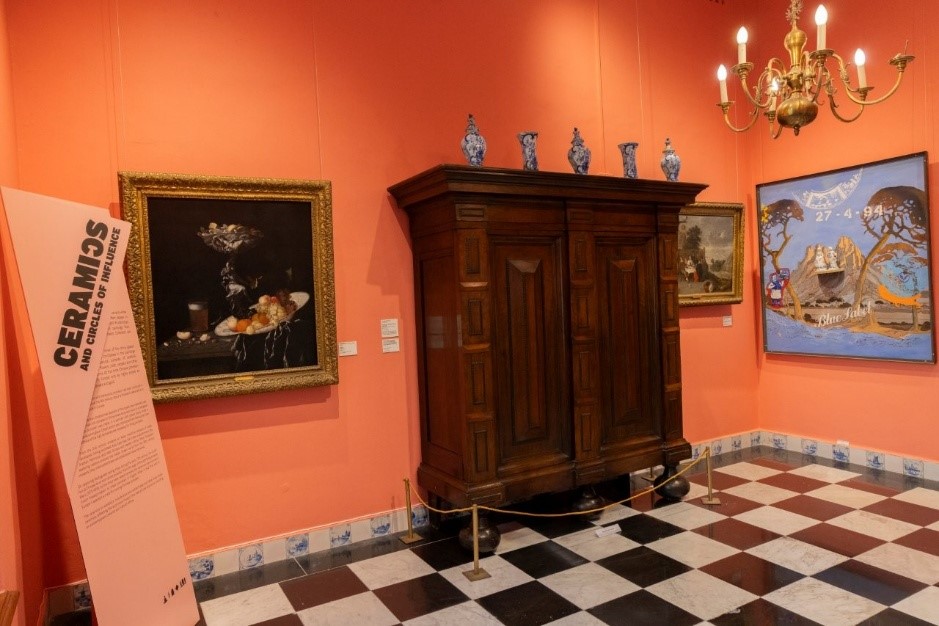
Blue-and-white Chinese porcelain, once valued in Europe as highly as gold, features prominently in 17th-century Dutch still life paintings, several examples of which, from the Sir Max Michaelis Collection, are on display. Trace the global networks of exchange that have shaped artistic and material culture for centuries. These works contrast the luminous surfaces of porcelain with the textures of fruit, shells, and silverware, celebrating both luxury and abundance. The exhibition reflects on these artworks and the far-reaching influence of Asian trade ceramics, including their impact on contemporary South African practice.
Iziko Old Town House © Iziko Museums of SA N. Pamplin
From the ancient Silk Road and Indian Ocean trade routes to the Dutch East India Company’s importation of kraakporselein in the 17th century, these ceramics reveal centuries of cultural connection; powerful reminders of how art and commerce have long intertwined across continents.
- Focuses on blue-and-white Chinese porcelain and its influence in 17th-century Dutch still life
- Highlights centuries of trade linking China, the Middle East, India, Africa, and Europe
- Shows impact on contemporary South African ceramic art
The exhibition encourages visitors to see the Old Town House and collections not as relics of the past, but as living archives — evolving, inspiring, and provoking new ways of seeing.