By Dr Romala Govender and Dr Wayne Florence
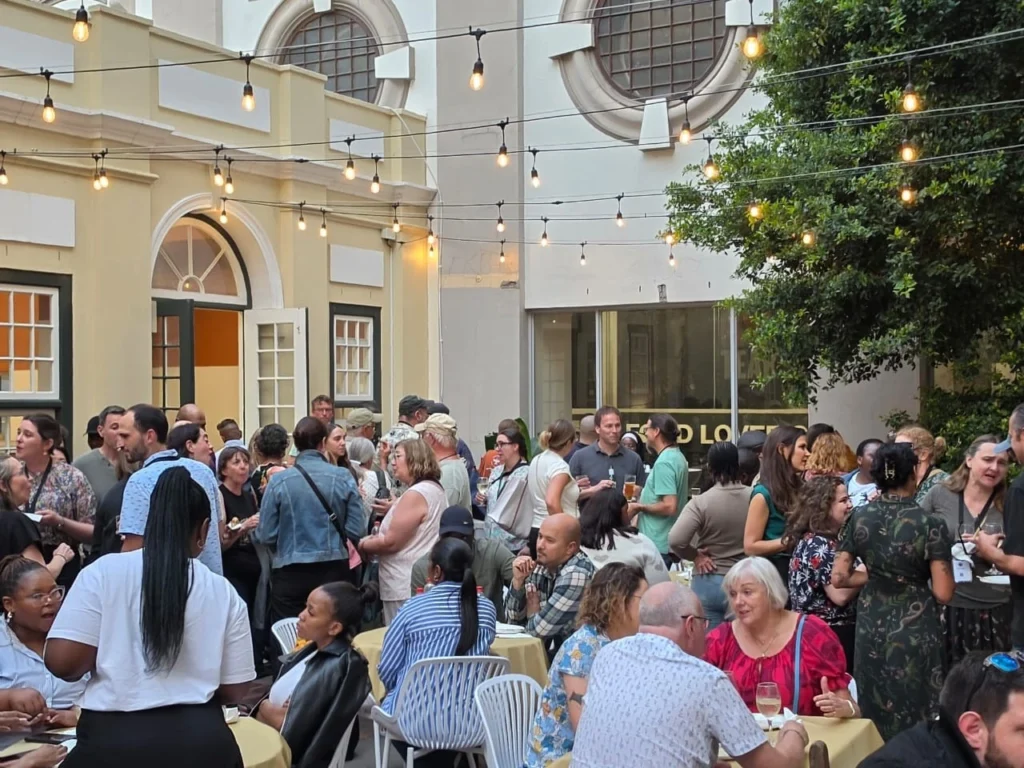
In September 2026, Iziko Museums of South Africa reached a significant milestone in its history by hosting the Society for the Preservation of Natural History Collections (SPNHC) Annual Conference for the first time on the African continent. Held from 6 to 11 September 2026 at the historic Iziko South African Museum in Cape Town, the conference brought together museum professionals, collection managers, curators, educators, conservators and researchers from around the world under the theme “Bridging Hemispheres: Collaborating for a Unified Natural Heritage.”
As co-chairs of the Local Organising Committee, Dr Wayne Florence, Director of Research and Exhibitions at Iziko Museums of South Africa, and Dr Romala Govender, Chief Curator of Natural History, were proud to welcome delegates to an event that represented far more than an international scientific gathering. SPNHC 2026 marked a transformative moment in the global natural history community by creating a platform for meaningful dialogue and collaboration between institutions and professionals from the Global North and Global South.
Natural history collections are among the most important scientific resources available to humanity. Housing millions of specimens documenting life on Earth across time and space, these collections underpin research in biodiversity conservation, climate change, public health, environmental monitoring and cultural heritage. Yet many institutions in the developing world continue to face challenges relating to resources, infrastructure, digitisation and access. By bringing SPNHC to Africa for the first time, the conference sought to address these disparities while fostering more inclusive and equitable global partnerships.
South Africa provided an ideal setting for these conversations. As one of the most biodiverse countries on Earth, with internationally significant palaeontological, zoological and botanical collections, the country offers unique opportunities for advancing collections-based research and conservation. Delegates were able to engage directly with African perspectives, expertise and research priorities while exploring opportunities for new collaborative initiatives across continents.
The week-long programme featured plenary lectures, scientific symposia, poster presentations, hands-on workshops and networking events. Topics ranged from specimen digitisation and collections care to ethical stewardship, emerging technologies, Indigenous knowledge systems and innovative approaches to research accessibility. A strong emphasis was placed on building professional networks that can support future cross-border collaboration and capacity development.
One of the conference’s defining strengths was its ability to bring together established leaders in the field alongside emerging voices. Early-career researchers, regional curators and collection managers engaged directly with internationally recognised experts, creating opportunities for mentorship, knowledge exchange and the development of new professional partnerships.
Delegates also participated in a series of field trips and specialist workshops showcasing South Africa’s remarkable natural and cultural heritage. Visits to sites such as Kirstenbosch National Botanical Garden and the West Coast Fossil Park provided participants with valuable insights into the country’s biodiversity and palaeontological significance.
Importantly, SPNHC 2026 extended beyond the conference venue itself. Poster presentations were displayed in the iconic Whale Well at the Iziko South African Museum, allowing members of the public to engage with cutting-edge research from around the world. This public-facing component reflected Iziko’s commitment to making science accessible and demonstrating the relevance of museum collections to contemporary society.
The success of SPNHC 2026 was made possible through the collaboration of SPNHC, Iziko Museums of South Africa, the Natural Science Collections Facility (NSCF), The South African National Biodiversity Institute (SANBI) and a broad network of scientific, academic and heritage partners. Together, these organisations have strengthened international connections and contributed to a lasting legacy for natural heritage stewardship in Africa.
By hosting this landmark event, Iziko Museums of South Africa reaffirmed its role as a leading institution in global collections-based research and demonstrated the vital contribution that African museums can make to shaping the future of natural heritage science. SPNHC 2026 was not only a historic first for Africa, but a powerful step towards a more connected, collaborative and inclusive global scientific community.