By Lynn Abrahams
“I learned that courage was not the absence of fear, but the triumph over it.” — Nelson Mandela
On 5 December 2013, the global community marked the passing of Nelson Rolihlahla Mandela, a leader whose ethical vision fundamentally reshaped the soul of South Africa. Twelve years later, as we continue to register the magnitude of his loss, our responsibility at Iziko Museums of South Africa has evolved. We are tasked not merely with mourning, but with the critical interpretation and contextualisation of his legacy.
In 2026, Iziko will unveil the Nelson Mandela Prison House Museum at the Drakenstein Correctional Centre (formerly Victor Verster). This project represents a radical shift in heritage practice, moving away from the traditional “heroic house museum” toward a decolonial site of political conscience.
The Architecture of Control: A House That Was Not a Home
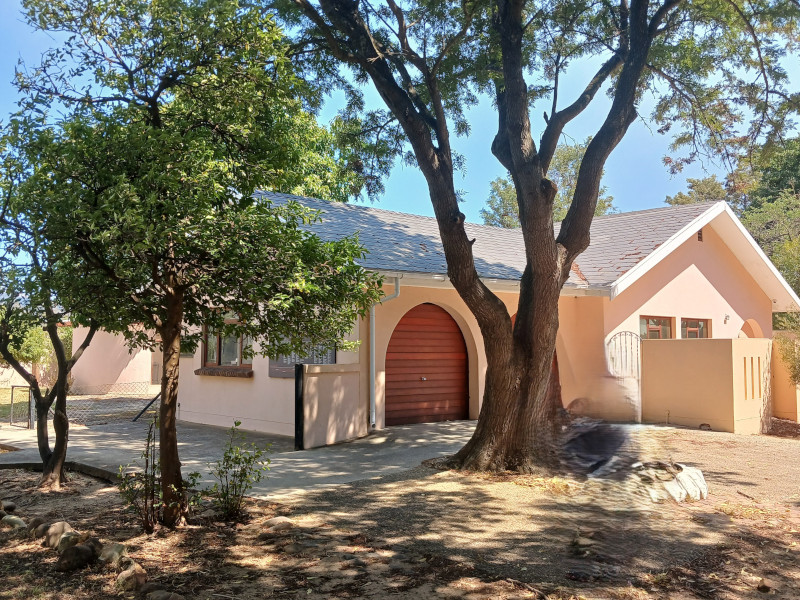
The images are familiar: a modest living room, private bathrooms, a neat garden, and a kitchen that suggested a life of domestic normalcy. For decades, the narrative of Victor Verster has been presented as one of a “peaceful transition” a quiet prologue to liberation. However, a critical reinterpretation of the site reveals a more unsettling truth.
This was not a home; it was a calculated environment of control. Having exhausted the spectacle of overt repression, the apartheid state turned to sophisticated strategies of psychological containment. At Victor Verster, captivity was refashioned as civility. The garden, the swimming pool, and the provision of a private chef were not concessions of kindness; they were the “aesthetics of containment”, an experiment in soft power designed to neutralise resistance through the illusion of domesticity.
Mandela himself recognised this “gilded cage,” noting in Long Walk to Freedom that the absence of bars on the windows did not signify the presence of freedom, but rather a more subtle form of isolation.
Challenging the Eurocentric Model
Traditional house museums often serve to canonise the private lives of “great individuals,” preserving interiors as static relics to be admired behind velvet ropes. Such models frequently produce spatial amnesia, where narratives are trimmed of political violence and replaced with sanitised reverence.
To decolonise the Nelson Mandela Prison House is to interrupt this comfort. We refuse the aestheticisation of oppression. Instead of a vault of nostalgia, Iziko is creating a workshop for conscience. Our curatorial approach moves:
- From Preservation to Participation: Engaging the community in the act of meaning-making.
- From Admiration to Reflection: Interrogating the mechanisms of state power.
- From Artifact to Affect: Using sound, light, and narrative testimony to evoke the visceral tension between confinement and liberation.
Reactivating the Site of Conscience
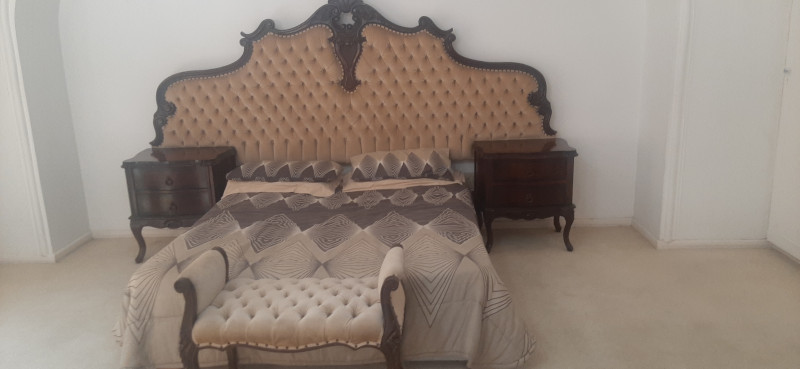
In this reimagined model, each room becomes an interpretive act of resistance. The kitchen is re-centred as a locus of constrained autonomy, where the state-provided meals served as a daily reminder of his lack of independence. The bedrooms operate as zones of isolation and mental discipline, and the garden is revealed as a constructed illusion of openness designed for surveillance.
By confronting the architecture that once sought to domesticate defiance, we transform a monument of containment into a catalyst for national self-examination. This museum will not serve as a platform for reminiscence, but as a critical space for ethical reflection on the unfinished work of freedom.
A Legacy in Our Hands
In honouring Mandela, we affirm his vision of justice, freedom, and human dignity. The house weaponised to domesticate his defiance will now stand as a catalyst for critical memory, a space where history unsettles, educates, and inspires.
As we open its doors in 2026, we invite the world to reflect on the unfinished work of freedom and to carry forward Mandela’s enduring message: “It is in your hands to create a better world for all who live in it.”