By Lynn Abrahams
General Teddington Thamsanqa Nqapayi, known to his comrades as Peter Mfene (31 May 1942 – 13 December 2025)—was a foundational figure in the first generation of Umkhonto we Sizwe (MK) combatants. He was instrumental in the historic transition of the African National Congress (ANC) from political mobilization to organized armed resistance. His life offers a vital lens into the formative years of MK and the movement’s arduous evolution into a structured military organization.
From Mount Fletcher to the Nucleus of MK
Born in Mount Fletcher in the Eastern Cape, Nqapayi later moved to Cape Town with his mother. It was here, amidst the growing political tensions of the city, that he emerged as a youth organizer during the late 1950s. Joining the ANC Youth League (ANCYL) in 1959, he was appointed chairman of the first ANC Youth League structure in the Western Cape that same year. These early initiatives were crucial for bringing young people into structured political activity at a time when state repression was intensifying and formal avenues for peaceful dissent were systematically closed.
Following the establishment of MK in 1961, Nqapayi was among its earliest recruits. He played a central role in creating MK’s first military training camp at Mamre in the Western Cape. The Mamre camp was a pioneering, experimental effort to build armed capacity inside South Africa.
“His journey from the rural landscapes of Mount Fletcher to the political heart of Cape Town reflects a generation that refused to accept the limitations imposed upon them, choosing instead to build the foundations of a new South Africa.”
Although the camp was eventually exposed and dismantled by apartheid security forces, it marked a decisive turning point in the liberation struggle, signaling the movement’s shift toward organized military action.
The Transnational Struggle
Driven into exile in the early 1960s, Nqapayi joined the ANC’s expanding international military program. He received guerrilla and sabotage training in Algeria and later specialized in radio communications in the Soviet Union in 1963. His training across various allied countries reflected the transnational character of the ANC’s armed struggle and the rigorous preparation required of its early cadres.
As a member of the Luthuli Detachment named in honor of ANC President Chief Albert Luthuli, Nqapayi participated in the historic Wankie Campaign of 1967–1968. This was a joint operation between MK and the Zimbabwe People’s Revolutionary Army (ZPRA), the armed wing of the Zimbabwe African People’s Union (ZAPU).
The detachment crossed the Zambezi River into Rhodesia (now Zimbabwe) with the aim of reopening insurgent routes into South Africa and reasserting the presence of armed resistance. While the campaign was costly, it demonstrated the sheer bravery and organizational capacity of the first generation of MK soldiers.
A Career of Service
After a period of arrest and imprisonment in Botswana, Nqapayi returned to ANC structures in exile, where he served in vital communications, training, and command roles. Following the unbanning of the ANC, he returned to South Africa and chose to continue his service through the military sphere rather than entering parliamentary politics. He played a key role in the integration of MK into the South African National Defence Force (SANDF), serving in various leadership and operational roles before retiring from active service in 2003.
Why Preservation Matters: The Iziko Museum of SA Intervention
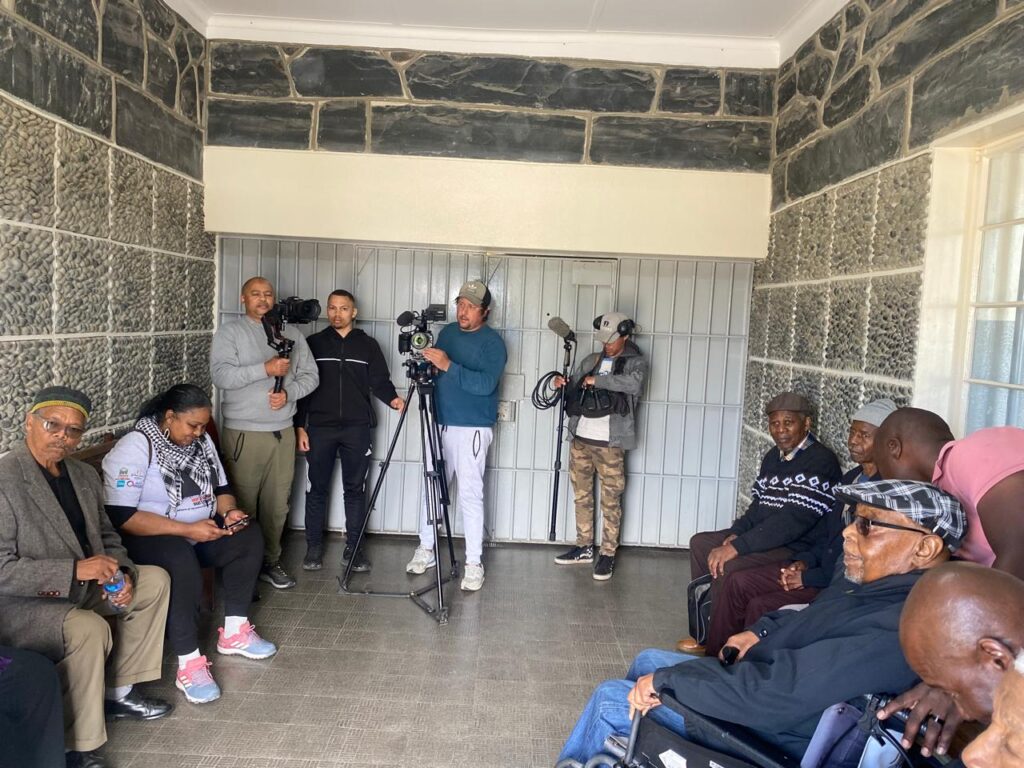
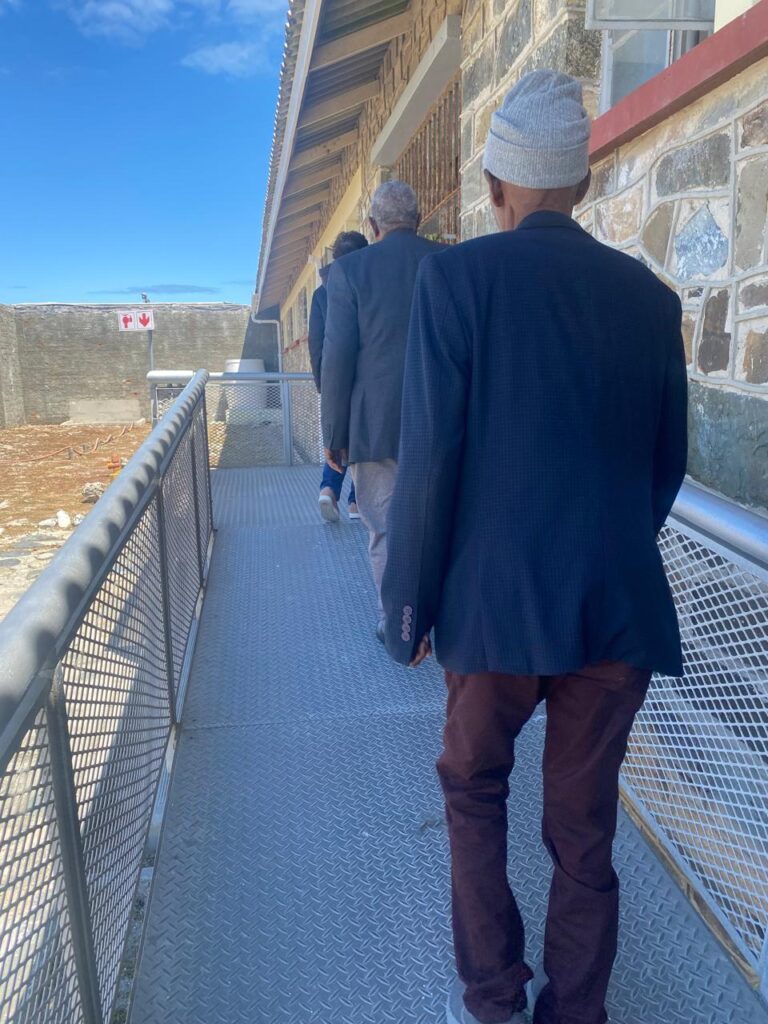
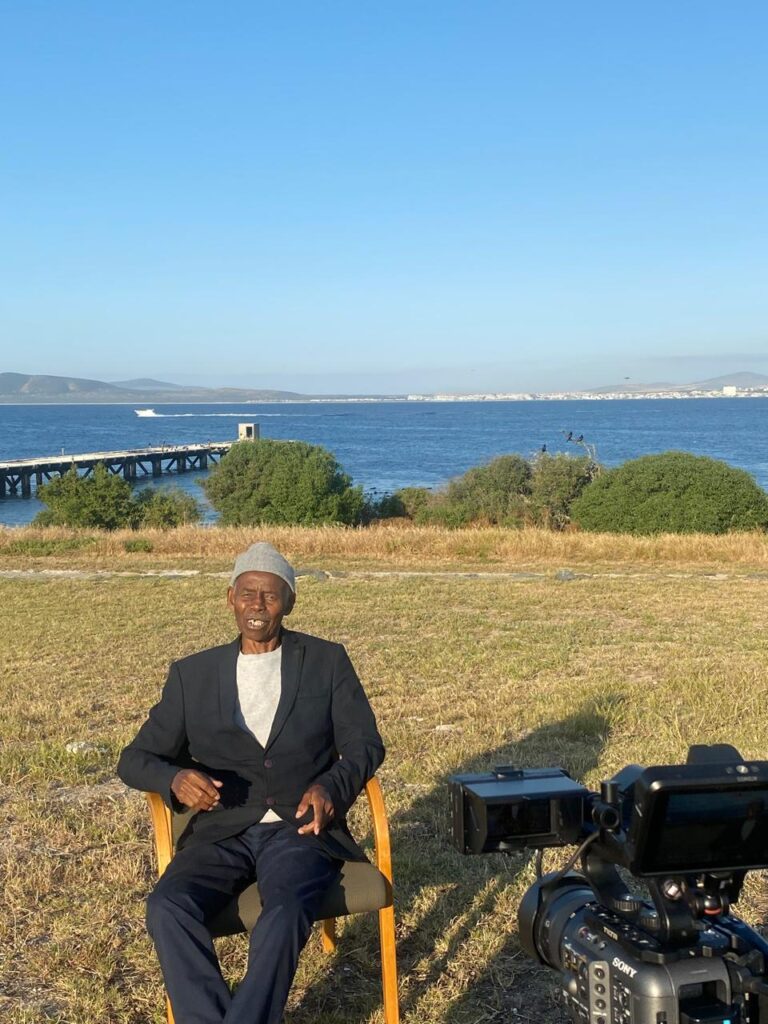
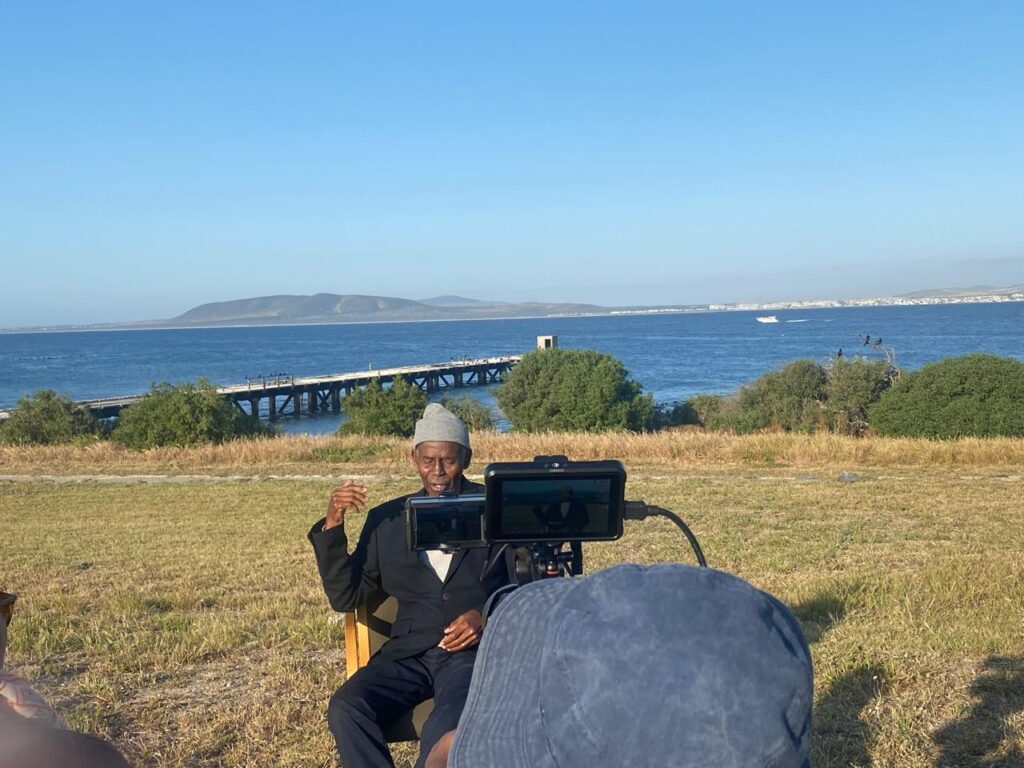
In his final years, Nqapayi’s legacy became inextricably linked to the preservation of South Africa’s national memory. Through a strategic partnership with the Robben Island Museum, Iziko Museums of South Africa has taken a lead role in safeguarding this liberation heritage. The oral history interviews conducted in October 2025 with the surviving members of the Luthuli Detachment, including Nqapayi, represent a critical archival intervention.
By capturing these narratives, Iziko Museums does more than merely document the past; it ensures that the “unwritten” history of the struggle, the grit of training camps, the technicalities of radio transmissions, and the lived reality of the front lines, is preserved in the authentic voices of those who shaped it. This work transforms personal memory into a permanent public record, providing future generations with the intellectual tools to understand that freedom was not an accident of history, but a result of deliberate, courageous, and sustained sacrifice.
General Nqapayi passed away on 13 December 2025 in Jeffreys Bay. His life remains a testament to the first MK generation, whose commitment carried the struggle forward when the outcome of freedom was far from assured.